PerfluorAd® in drinking water treatment: Successful piloting in the treatment of RO concentrates

Sometimes it is precisely the special challenges that show what a technology can really achieve. Together with the IWW Water Centre In a current pilot project, we have analysed a medium that is considered particularly challenging in water treatment: PFAS-containing RO concentrate from drinking water treatment.

The challenge: Complex water composition

This is an application that is challenging in practice for both conventional adsorption processes and ion exchange resins - particularly due to the increased organic and salt content in concentrates from RO systems.

This makes the result of our first trial, which proved the efficiency of PerfluorAd® technology, all the more pleasing.

The results at a glance:

- 75 % Elimination of PFAS (based on the sum of PFAS 20)
- 90 % Elimination of PFAS (related to the sum of PFAS 4)

How does the technology work?

The principle behind PerfluorAd® is selective transfer: the PFAS are selectively transferred into a floc in the water, making them separable in the first place.

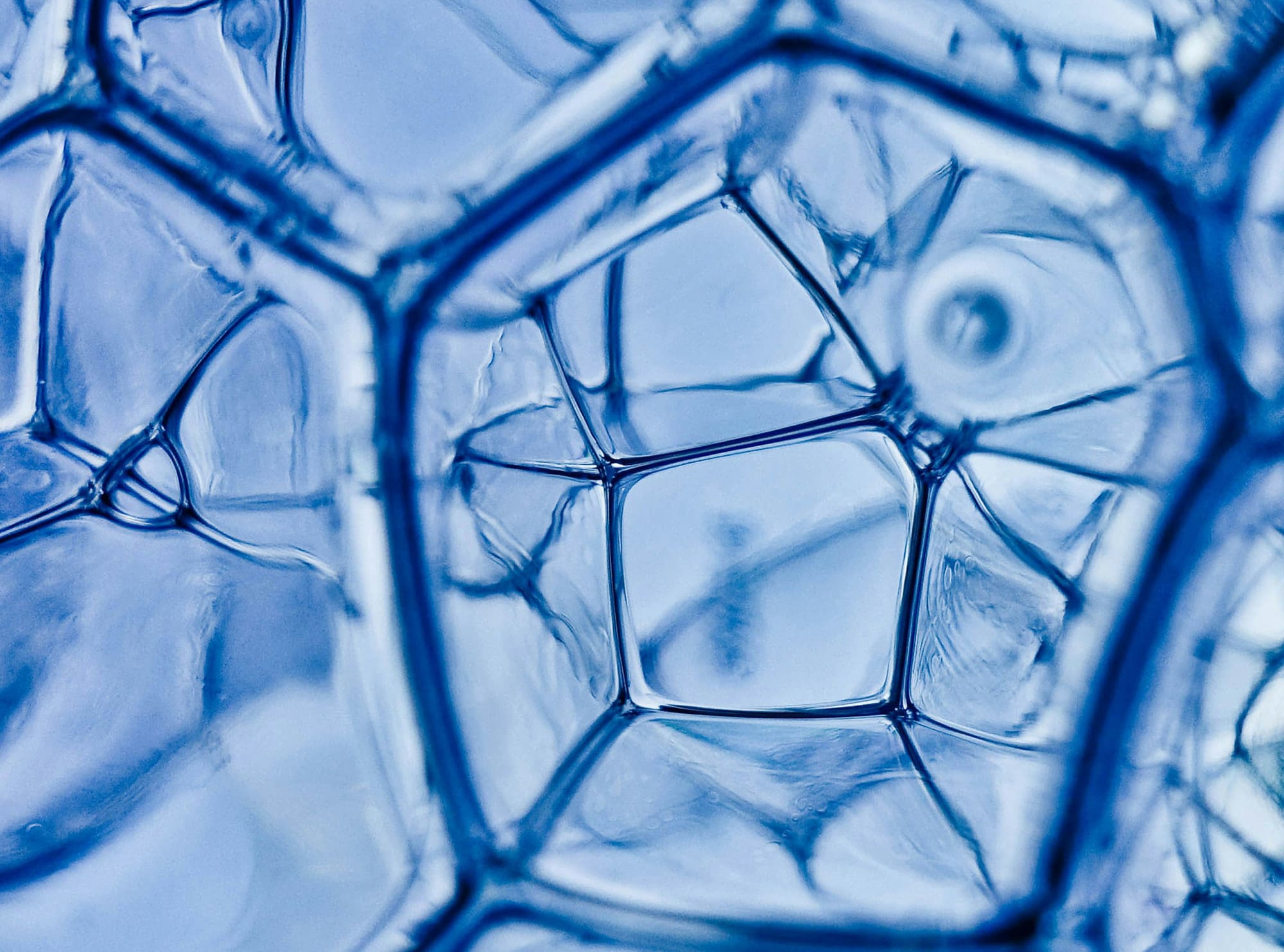
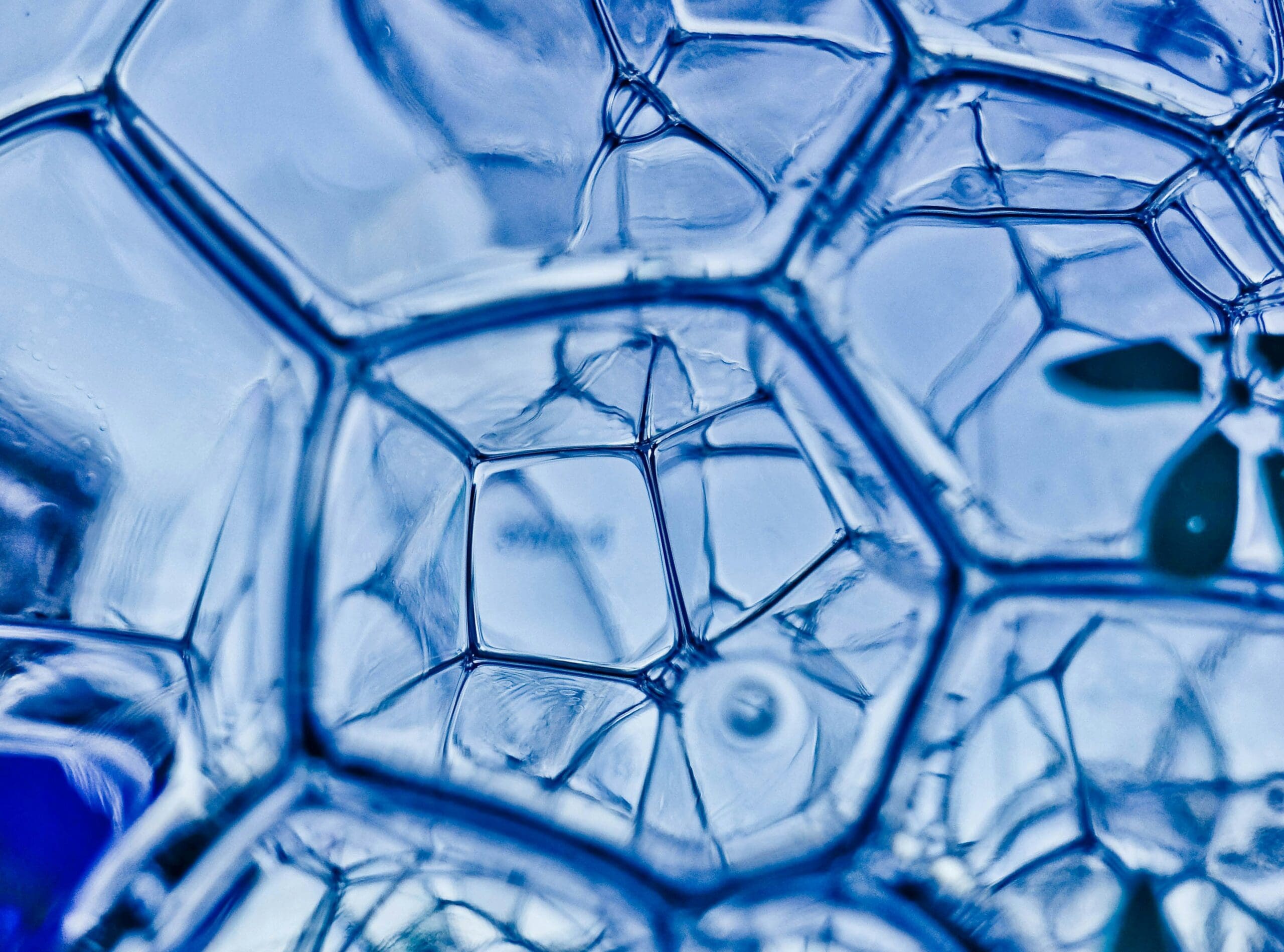
In the subsequent flotation (DAF - Dissolved Air Flotation), the finest air bubbles, which reach into the single-digit µm range, attach themselves to these flocs. This process ensures that even extremely small particles are reliably transported to the surface where they can be efficiently removed from the system.

Compact and practical for brownfield applications

As is often the case with projects in existing plants (brownfield), the available space was very limited. The solution was a highly compact system consisting of a tubular reactor and the flotation unit. Although these are proven standard components, the decisive criterion for success is the precise interaction of the technology.

Thanks to the scientific support provided by the IWW, we were able to gain deeper insights: High-resolution images revealed how the microbubbles capture even the smallest flakes - a key factor in the strong performance of the overall system.

A look into the future: "Room for improvement"

The play on words fits perfectly with flotation.
As the pilot was deliberately short, there was no opportunity to fine-tune the system on site based on the PFAS analysis. The result clearly shows that the potential has not yet been fully utilised - there is still room for improvement.

In the meantime, the plant is already being used again. In a new project, it is being used to treat contaminated groundwater, construction water and surface water before it is discharged. Due to very restrictive limit values, an even more sophisticated setup is being used there - a project that we will certainly be looking at in more detail in the future.

Author: Dr Alexander Stefan

Dr Alexander Stefan is a chemical engineer with many years of experience in the petrochemical industry. After working in process development and engineering, he took on responsibility for plant safety, process engineering and continuous improvement processes in the production of speciality chemicals.

At Cornelsen, he is responsible for operations and technology at the Essen site. He is particularly fascinated by the fact that technology and environmental responsibility are directly intertwined here - and have a joint impact.