Cornelsen Sweden AB receives Vinnova funding for a PFAS treatment project involving municipal wastewater and sewage sludge
Cornelsen Sweden AB, in collaboration with Stockholm Vatten och Avfall, the KTH Royal Institute of Technology and the Käppala Association, has received funding from the Swedish innovation agency Vinnova for a project on comprehensive PFAS treatment in municipal wastewater and sewage sludge.
The aim of the project is to further develop and demonstrate a technology chain that can be used to separate, concentrate and ultimately remove or destroy PFAS in municipal wastewater treatment plants. By combining various treatment technologies into a single process, the consortium aims to evaluate a practical and cost-effective approach for future application on an industrial scale.
What the project is about
The project is being carried out as part of a series of experimental trials and demonstration activities. Initially, foam extraction methods will be developed and tested at various stages within a municipal wastewater treatment process.
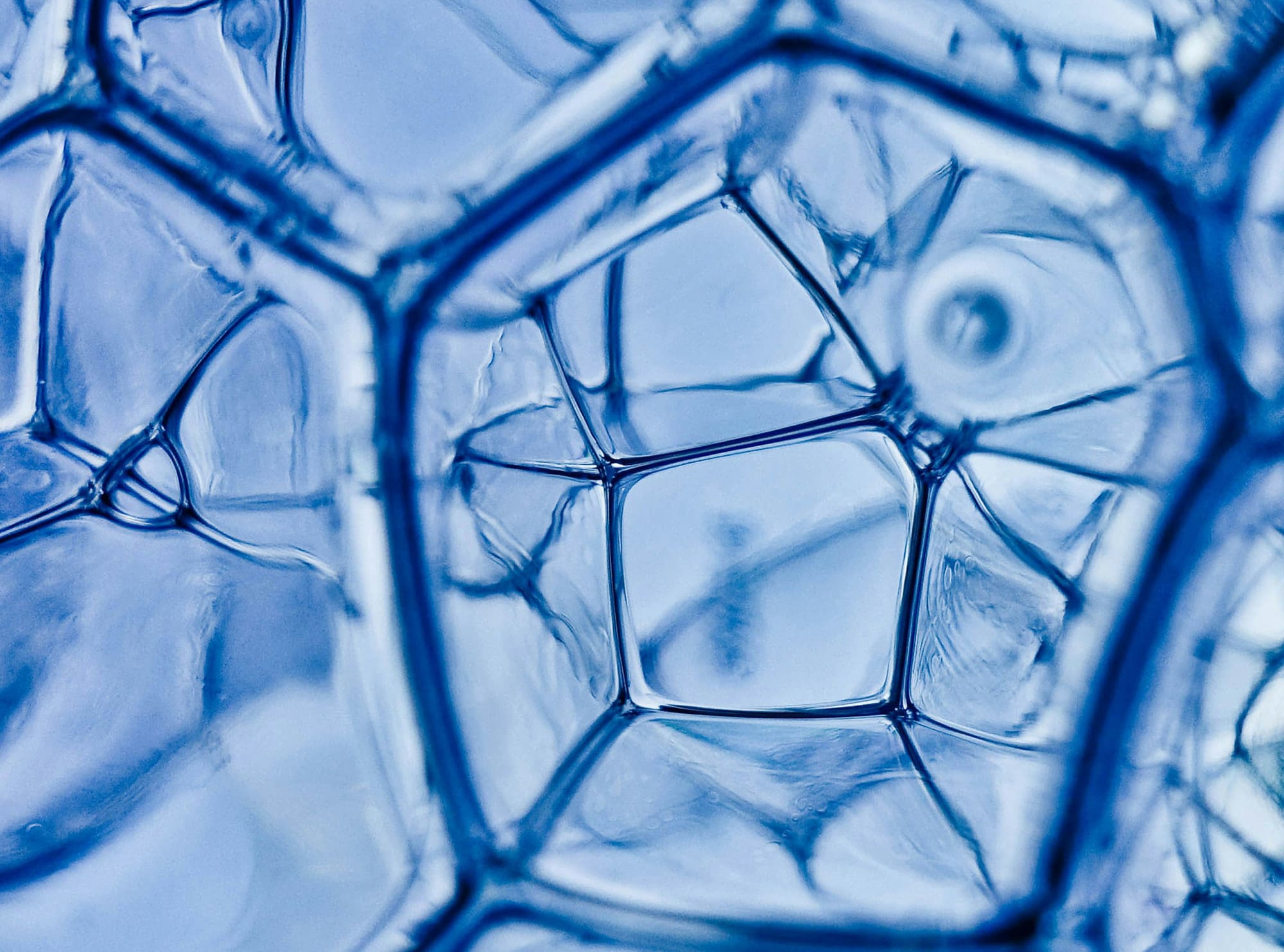
These extraction methods are then integrated with a commercial SAFF® (Surface Active Foam Fractionation) unit. Through several stages of foam fractionation, the PFAS contained in the collected foam can be concentrated into a significantly smaller treatment stream.
The concentrated PFAS stream is then treated either by precipitation using PerfluorAd®, the PFAS removal technology developed by the Cornelsen Group, or by electrochemical destruction processes. This approach enables the project to evaluate the entire treatment chain – from PFAS separation and concentration through to final removal or destruction.
In addition to technical performance, the project also assesses operating costs and environmental impacts. The findings are summarised in scientific publications and technical reports to support future implementation and the transfer of knowledge within the water sector.
Bringing together researchers, utility companies and future users
One of the project’s particular strengths is the broad consortium behind it. In addition to the core project partners, future users of the technology are also actively involved in the project organisation from the outset.
These organisations include Uppsala Vatten och Avfall AB, the Swedish Fortifications Agency, Gryaab AB, Eskilstuna Strängnäs Energi och Miljö AB, the IVL Swedish Environmental Research Institute and VA SYD.
By bringing together technology providers, researchers, water suppliers and future end-users, the project creates favourable conditions for the practical implementation and widespread dissemination of the results.
This collaborative approach was also recognised by Vinnova as part of the evaluation process. In its assessment, the agency highlighted the project’s systems-based approach, the strong consortium behind it, and its potential to contribute to cleaner water and better sewage sludge management. The implementation plan was also rated as robust.
Building on previous research
For Cornelsen Sweden, the project builds on experience gained through several international research initiatives, including the EU Green Deal project SCENARIOS and the EU LIFE project Life-Source.
In these projects, SAFF® technology was evaluated and demonstrated for the treatment of groundwater and landfill leachate. The newly funded project extends this work to municipal wastewater and sewage sludge, thereby applying the technology to a new area of treatment.
At the same time, the project offers an opportunity to further evaluate integrated treatment approaches that combine concentration technologies using PerfluorAd® with complementary destruction methods.
Contribution to “Sustainable Water for All”
The project is part of the Water Wise Societies programme within Impact Innovation, a joint initiative by Vinnova, Formas and the Swedish Energy Agency. The programme supports innovations that contribute to sustainable water management and the long-term availability of clean water for society, industry and the environment.
The project aims to help reduce the spread of PFAS from wastewater into receiving waters, thereby supporting the programme’s ‘Sustainable Water for All’ mission, in particular the goal of reducing the spread of hazardous substances in the aquatic environment.
The project officially launched in June 2026, with the main on-site demonstration activities due to begin in early 2027.


 Deutsch
  Svenska
  English
  Nederlands (Formeel)